Blog Posts

The 5 Transformative Benefits of Professional Janitorial Services

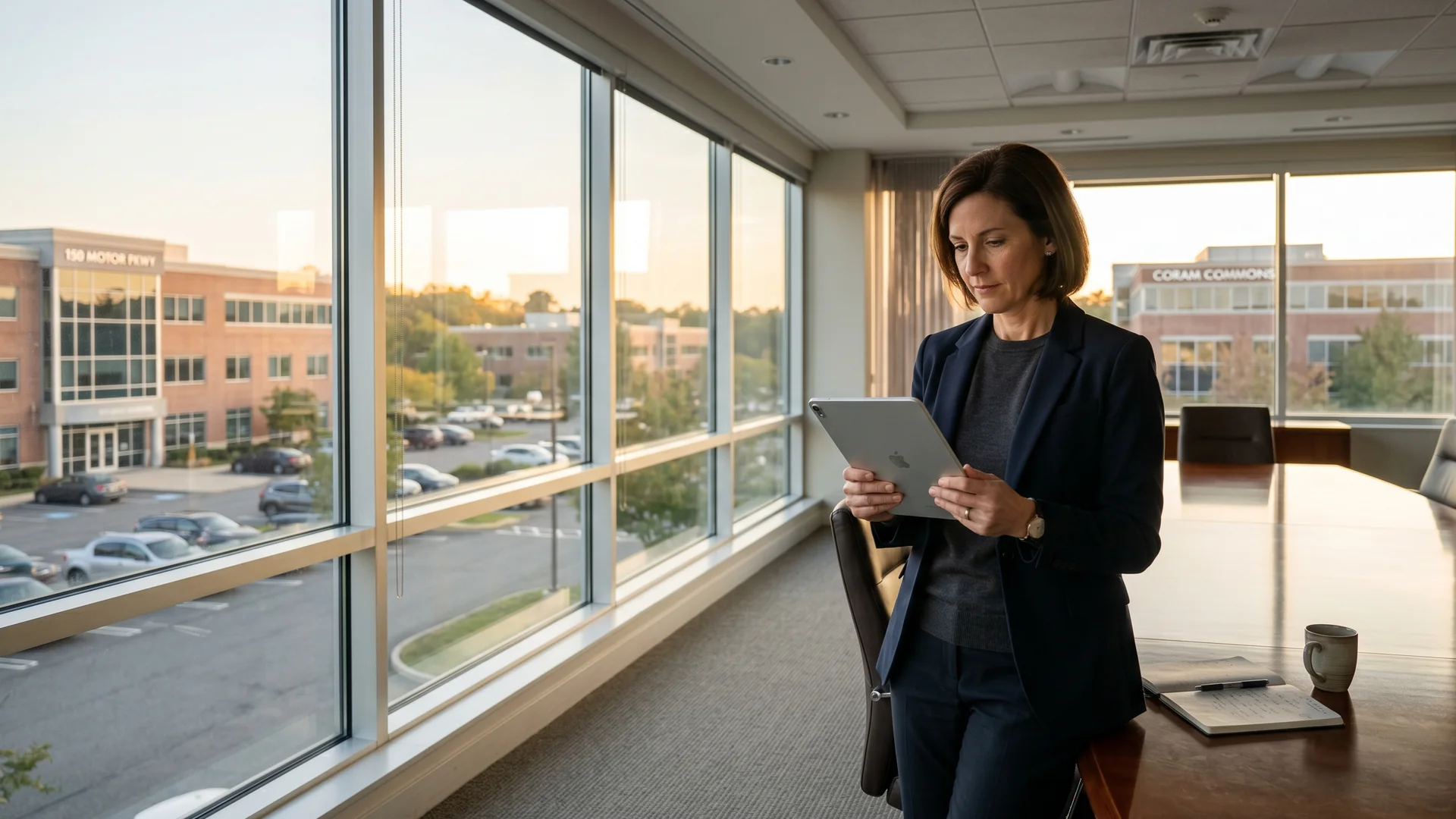
Professional janitorial services crew cleaning a commercial office on Long Island

A clean and well-maintained office space is crucial for productivity, employee morale, and creating a positive impression on clients and visitors. To achieve and maintain a pristine workplace, many businesses are turning to professional janitorial services. In this article, we will explore the top five benefits of hiring commercial janitorial services for your office. Ensuring a clean and healthy environment that boosts productivity and enhances your business’s reputation.

1. Enhanced Cleanliness and Hygiene:

Maintaining a high level of cleanliness and hygiene in the office is essential, especially considering the impact of the ongoing pandemic. Commercial janitorial services go beyond surface-level cleaning by employing trained staff, specialized equipment, and effective cleaning techniques. They ensure thorough cleaning and disinfection, reducing the risk of germs, allergens, and pollutants that can affect employee health and well-being. By creating a healthy work environment, commercial janitorial services help minimize sick leaves and improve overall productivity. A study conducted by the ISSA (International Sanitary Supply Association) revealed that cleaner workplaces can reduce employee sick days by 46%.

2. Time and Cost Savings

According to a survey by the American Management Association, 90% of employees believe that a clean and well-maintained office is important for their productivity and job satisfaction. Outsourcing cleaning tasks to professionals saves your business valuable time and resources. Rather than burdening your employees with cleaning responsibilities, they can focus on their core tasks. This leads to increased efficiency and job satisfaction. Additionally, professional janitorial services bring their own equipment, tools, and cleaning supplies. Eliminating the need for your business to invest in costly maintenance supplies. This saves you time & money while ensuring that the cleaning is done with the right tools and products. 

3. Expertise and Experience:

Commercial janitorial services employ trained and experienced staff who understand the best practices and techniques for effective cleaning. They stay up-to-date with industry standards and regulations, ensuring compliance and safety. With their expertise, they can handle various cleaning tasks, including carpet cleaning, window washing, and floor maintenance. Their knowledge of different surfaces and materials ensures that proper cleaning methods are applied, extending the lifespan of your office assets and reducing the need for repairs or replacements.

4. Consistent and Reliable Service:

One of the significant advantages of hiring professional janitorial services is the assurance of consistent and reliable cleaning. They work on predetermined schedules tailored to your office’s needs, ensuring that your space is consistently clean and well-maintained. Moreover, professional janitorial companies prioritize attention to detail, addressing all areas of your office, including high-touch surfaces, restrooms, breakrooms, and common areas. Their commitment to quality ensures a consistently clean and inviting environment for your employees and visitors.

5. Customized Cleaning Solutions:

Every office has unique cleaning requirements, and professional janitorial services understand the importance of customized solutions. They work closely with you to determine your specific cleaning needs and create a tailored plan accordingly. Whether your office requires daily, weekly, or monthly cleaning services, professional janitorial companies offer flexibility in scheduling to accommodate your business operations. They adapt their services to different industries and can handle specialized cleaning tasks specific to your office environment.

Conclusion:

Investing in professional commercial janitorial services offers numerous benefits for your office. From ensuring cleanliness and hygiene to saving time and costs, professional cleaners bring expertise, reliability, and customized solutions. By outsourcing your office cleaning needs, you can create a healthier and more productive work environment, leaving a positive impression on your employees, clients, and visitors. Consider partnering with a reputable janitorial service provider in Suffolk County, NY, to enjoy these benefits and take your office cleanliness to new heights

E & J Cleaning Services provides Commercial Professional Janitorial Services Contact us today for a free customized cleaning proposal!

Professional Janitorial Services

This entry was posted in Information and tagged Benefits of commercial cleaningCommercial cleaningCommercial Janitorial ServicesLocal cleaning companyOffice cleaningOffice Cleaning Suffolk CountyProfessional cleaningProfessional Janitorial ServicesSmall business cleaning services on  by eandjcleaning.

Frequently Asked Questions

What are the actual benefits of hiring a professional cleaner versus in-house staff?
Professional cleaners bring training, equipment, supplies, and consistency that in-house staff usually can’t match. You get better results with less management overhead, fewer chemical safety incidents, and no employer obligations for cleaners (workers comp, payroll, supply purchases). Most facilities save money within 12 months of switching.
How much does professional janitorial cost on Long Island?
Pricing ranges from $0.08 to $0.30 per square foot per month for nightly commercial cleaning depending on facility type, traffic, and scope. A standard 5,000 sq ft office runs $1,500 to $2,500 monthly. Specialty work (floor strip and wax, carpet extraction, window cleaning) is priced per job.
Will hiring a janitorial service save money long-term?
Yes for most facilities. You drop the hidden costs of in-house cleaning: payroll, payroll tax, workers comp, training, equipment depreciation, supply inventory, and management time. Professional services bundle all these into a predictable monthly fee. The savings typically appear within the first quarter.
What does “professional” actually mean for a janitorial company?
Look for: W-2 employees not subcontractors, full insurance and bonding documentation, background-checked crews, OSHA training, written scope of work, consistent crew assignments, and active account management. A “professional” vendor can show you all of this without delay.
How quickly do I see results after switching to professional service?
The first deep clean usually happens within the first two weeks of starting service. After that, you should see immediate consistency improvements (cleaner restrooms, better-stocked supplies, fewer complaints) within the first 30 days. ROI on time saved by management becomes visible by month 3.

Professional Janitorial Services vs. In-House Cleaning : How to Make the right choice?

Cleaning Office Windows

Maintaining a clean and tidy workplace is essential for the success of any business. However, choosing the right approach to cleaning can be a challenging decision. Should you invest in professional janitorial services or opt for in-house cleaning? In this article, we will explore the key factors to consider when deciding between professional janitorial services vs. in-house cleaning. By examining the benefits and drawbacks of each option, you can make an informed decision that aligns with your business’s unique needs and goals. Let’s dig into the question of should I choose Professional Janitorial Services vs. In-House Cleaning : How to Make the right choice?

Expertise and Efficiency:

Professional janitorial services bring expertise and specialized knowledge to the table. Trained cleaning professionals understand the most effective techniques and use industry-leading equipment and products to deliver exceptional results. They stay up-to-date with the latest cleaning practices, ensuring a thorough and efficient cleaning process. In contrast, relying on in-house cleaning may not always guarantee the same level of expertise, as employees may not have the same training or access to advanced cleaning tools.

Cost Considerations:

When considering the cost aspect, it’s important to evaluate both short-term and long-term expenses. While in-house cleaning may seem cost-effective at first glance, it often involves additional costs such as hiring and training cleaning staff, purchasing cleaning supplies, and maintaining cleaning equipment. On the other hand, janitorial services provide a comprehensive package that includes all necessary resources, eliminating the need for separate investments. By outsourcing cleaning tasks, you can allocate resources more efficiently and potentially save on long-term expenses.

Flexibility and Convenience:

Janitorial services offer a high degree of flexibility and convenience. Cleaning companies can accommodate your business’s schedule, whether you need cleaning services during working hours or after hours. They provide a consistent cleaning routine and can adjust their services based on your changing needs. In contrast, in-house cleaning may pose challenges in terms of availability, especially during peak hours or when additional cleaning is required due to special events or circumstances.

Quality Assurance and Accountability:

Professional cleaning companies prioritize quality assurance and take responsibility for the cleanliness of your premises. They typically have service level agreements in place, ensuring that cleaning tasks are carried out to the highest standards. This includes regular inspections, performance evaluations, and addressing any issues promptly. In-house cleaning may lack the same level of accountability, as oversight and quality control measures may be less formalized.

Focus on Core Business Activities:

By outsourcing cleaning tasks to professionals, you allow your employees to focus on their core responsibilities and expertise. This can lead to increased productivity and improved employee satisfaction. When cleaning duties are assigned to in-house staff, it can create distractions and potentially detract from their primary roles. Outsourcing cleaning tasks allows your team to stay focused on strategic business activities, leading to better overall performance.

Conclusion:

We reviewed the key consideration points when contemplating to use Professional Janitorial Services vs. In-House Cleaning : How to Make the right choice? Choosing between janitorial services and in-house cleaning requires careful consideration of various factors. While in-house cleaning may offer some level of control, professional janitorial services bring expertise, efficiency, and convenience to the table. By outsourcing your cleaning needs, you can ensure a consistently clean and healthy work environment, while also freeing up resources for core business activities. Evaluate your business’s unique requirements and goals to make an informed decision that will contribute to the success and productivity of your organization.

Learn more about the services E & J Cleaning Services can provide your business here

This entry was posted in Information and tagged Commercial cleaningCommercial Janitorial ServicesLocal cleaning companyOffice cleaningOffice Cleaning Long Island NYOffice Cleaning Suffolk CountyProfessional cleaningProfessional Janitorial ServicesSmall business cleaning services on  by eandjcleaning.

Frequently Asked Questions

Which is cheaper – in-house cleaning staff or outsourced cleaning?
Outsourced cleaning is usually 20 to 40 percent cheaper than in-house when fully accounted for. In-house costs include wages, payroll taxes, workers compensation, training, equipment depreciation, supply inventory, and management time. Most facilities discover the actual cost only after they outsource and see the comparison.
What are the hidden costs of in-house cleaning?
Workers comp claims for back injuries and chemical exposure. Equipment repairs and replacement. Supply theft and over-ordering. Management hours on HR, scheduling, supply orders, and quality complaints. Lost productivity when cleaning staff handles other tasks. Coverage costs when cleaning staff is sick or on vacation.
Can in-house staff really deliver professional results?
Yes if you invest in training, equipment, supplies, supervision, and consistent staffing – but that is expensive. Most in-house arrangements are part-time or untrained leading to inconsistent results. Professional services invest in this infrastructure across many accounts which is more cost-efficient.
How do I switch from in-house to outsourced cleaning?
Most transitions complete in 2 to 4 weeks. Steps: assess current cleaning gaps with new vendor walk-through, get written scope of work, plan staff transition (re-assign or attrition), schedule overlap period, begin new service, monitor first 30 days closely. We help walk clients through this regularly.
Will outsourcing affect my current cleaning staff?
Plan for it. Options include redeploying staff to other roles (porter, maintenance, security), reduced hours plus higher per-hour duties, voluntary separation packages, or hiring them onto the new cleaning vendor’s payroll. Plan this carefully – it affects morale across the whole company.

Unveiling the Secrets of Pristine Workspaces: A Comprehensive Guide to Office and Commercial Cleaning

A clean workspace is the cornerstone of a productive and efficient business. However, achieving and maintaining a clean and organized office or commercial space can be a daunting task. In this guide, we will delve into the art of office cleaning and commercial cleaning, revealing essential tips and tricks to maintain a sparkling and inviting workspace. Sharing the science of office cleaning with you.

The Art of Office Cleaning

Offices are unique environments with specific cleaning needs. It’s imperative to keep workstations, electronics, and common areas spotless to create a positive and professional atmosphere. Dust-free desks and clean electronics not only enhance the aesthetics of the workspace but also contribute to a healthier work environment.

Creating a Lasting First Impression: The Reception Area

The reception area is the face of your business. A clean and welcoming reception sets the right tone for clients and visitors. From gleaming floors to tidy seating, maintaining a pristine reception area is vital for leaving a lasting positive impression.

Clean office reception area

Maintaining Hygiene in Breakrooms and Restrooms

Cleanliness in breakrooms and restrooms is directly linked to employee well-being and productivity. A well-maintained breakroom encourages employees to take breaks and recharge, while clean restrooms contribute to a healthy and happy workforce.

Navigating Commercial Cleaning: A Holistic Approach

Clean office breakroom

Commercial cleaning varies across industries, from retail spaces to healthcare facilities. Each sector has unique cleaning needs and regulations. Understanding and tailoring cleaning practices to suit the specific requirements of each industry is crucial for delivering exceptional cleaning services.

The Role of Technology in Modern Cleaning

Science of office cleaning robot

Innovations in cleaning technology have revolutionized the industry. Modern tools and equipment enable more efficient and effective cleaning processes. Automated cleaning solutions, sustainable products, and state-of-the-art equipment are changing the landscape of office and commercial cleaning.

Choosing the Right Cleaning Partner

Selecting a reliable and professional cleaning service provider is essential for ensuring a consistently clean workspace. A reputable cleaning company should have the right experience, certifications, and a commitment to using eco-friendly cleaning products for sustainable practices.

Customer Success Stories: A Glimpse Into a Cleaner Future

Don’t just take our word for it—see the transformation for yourself. Read what our satisfied clients have to say about how our cleaning services have positively impacted their businesses.

Conclusion

Maintaining a clean workspace isn’t just about appearances; it’s about fostering a culture of productivity, health, and well-being. Invest in a clean and organized office or commercial space to reap the benefits of a motivated workforce and a professional image. That’s the science of office cleaning.

For expert office cleaning services that cater to your unique needs, contact E & J Cleaning Services.


In this blog post, we’ve explored the importance of office and commercial cleaning and how it can positively influence your business. Clean workspaces foster a positive work environment and contribute to a successful business. For more information or to schedule an office cleaning service, get in touch with E & J Cleaning Services.

Frequently Asked Questions

Why is office cleaning more than just appearance?
Office cleaning directly impacts indoor air quality, sick-day rates, allergy symptoms, and employee productivity. Beyond looking clean, professional cleaning removes accumulated dust from HVAC intakes, eliminates microbial growth on touch surfaces, and maintains air filtration efficiency.
How does cleaning affect employee health?
Clean offices reduce absenteeism by 20 to 30 percent in studies. Lower allergen levels mean fewer asthma triggers. Disinfected high-touch surfaces (keyboards, door handles, light switches) reduce cold and flu transmission. Better air quality reduces afternoon fatigue and headaches.
How often should office surfaces be cleaned?
Daily for high-touch points (door handles, light switches, EMR keyboards, restrooms), 2 to 3 times weekly for general workstations, weekly for floors and dusting, monthly for HVAC vents and lighting, quarterly for deep carpet cleaning. Specific frequency varies by traffic and industry.
Which surfaces transmit the most germs in an office?
Door handles, breakroom counters, coffee station, shared keyboards and mice, restroom door push plates, elevator buttons, conference room phones and remote controls, and shared printers. These need daily attention with proper disinfectants and correct dwell times.
How does cleaning impact productivity?
Studies show productivity gains of 5 to 12 percent in regularly cleaned offices versus poorly cleaned ones. Drivers include lower sick-day rates, fewer distractions from visible dirt, better cognitive function in better air quality, and improved morale. The ROI exceeds the cleaning service cost in nearly all cases.

The Hidden Science of Commercial Cleaning: Behind the Magic

Commercial cleaning looks simple from the outside. You wipe surfaces, vacuum floors, empty trash. The result is a building that looks and smells clean. Most people stop thinking about it there. But behind every effective cleaning program is a body of chemistry, microbiology, and materials science that determines whether your facility is actually clean or just appears clean. The two are not the same.

The Difference Between Cleaning, Sanitizing, and Disinfecting

These three words are used interchangeably in conversation, but in cleaning science they describe distinct processes with different outcomes.

  • Cleaning physically removes visible soil, dust, and organic matter through surfactants and mechanical action. It reduces germ load by 80 to 95 percent. Cleaning alone is what most untrained staff do, and it leaves significant pathogen levels behind.
  • Sanitizing reduces germ levels to safe public health standards, typically a 99.9 percent reduction. Sanitizing is what food-contact surfaces require. Most restaurant kitchens sanitize multiple times per service.
  • Disinfecting kills nearly all microorganisms on a surface (99.999 percent reduction). This is what medical environments, daycare facilities, and high-risk areas need. EPA-registered hospital-grade disinfectants are required.

Each level requires different products and protocols. Skipping a step or substituting a lower level when a higher level is needed creates compliance and health risk.

How Surfactants Actually Work

Surfactants are the molecules that make detergents work. Each surfactant molecule has two ends: one that loves water (hydrophilic) and one that loves oil (hydrophobic). When you scrub a greasy counter, the hydrophobic ends grab onto the grease while the hydrophilic ends pull toward the water you’re rinsing with. The grease gets lifted into the rinse water and carried away.

This is why concentrated commercial detergents (diluted correctly on-site) outperform pre-diluted consumer products. The surfactant concentration matters. Use too little and you leave grease behind; use too much and you waste product without improving results. Professional cleaners measure dilution to manufacturer specifications.

Why Dwell Time Matters

The single most-violated rule in cleaning is dwell time. Disinfectants need to remain wet on a surface for the manufacturer-specified contact period to kill pathogens. Different products require different times:

  • Quaternary ammonium products: typically 5 to 10 minutes wet contact
  • Hydrogen peroxide based products: typically 30 seconds to 5 minutes
  • Hospital-grade phenolic disinfectants: typically 10 minutes
  • Sporicidin for C. diff: typically 4 to 10 minutes depending on dilution

The wipe-and-move-on technique you see in untrained cleaning leaves disinfectant on surfaces for maybe 5 to 10 seconds. That is not disinfection. That is wiping a surface with chemicals. The pathogens are still alive. Real disinfection requires intentional dwell time, often with the surface left wet for several minutes before the final wipe-off.

The Science of HEPA Filtration

Vacuums without HEPA filtration are essentially redistributing dust. They suck particles in, then exhaust the fine particles back into the breathing air through their motor exhaust. The visible dirt goes into the bag; the invisible (and arguably more important) particles – dust mites, mold spores, bacterial cells, allergens – blow into the air you’re breathing.

HEPA (High Efficiency Particulate Air) filters capture 99.97 percent of particles 0.3 microns or larger. This includes the entire range of indoor allergens and most microbial particles. HEPA-filtered backpack vacuums are standard professional cleaning equipment. They cost 3 to 5 times more than consumer-grade vacuums and last 5 to 10 times longer because of better motor design. The hygiene difference is measurable.

Microfiber: Why It Outperforms Cotton

Microfiber is one of the most underrated technologies in cleaning. The fibers are 1/200th the diameter of a human hair, and they carry a positive electrostatic charge. Dust, dirt, and microbes carry negative charges. The microfiber attracts and traps them through electrostatic force, then releases them only when laundered at the right temperature.

Laboratory studies comparing microfiber to cotton consistently show microfiber removes 99 percent of microbes from surfaces using only water, while cotton with chemical cleaners removes 30 to 40 percent. The implication is significant: a well-trained crew with microfiber can outperform a poorly-trained crew with stronger chemicals. The technology beats the chemistry.

pH and Why It Matters for Floors and Surfaces

The pH scale (0 to 14) measures acidity and alkalinity. Different surfaces require cleaning at different pH levels. Using the wrong pH damages the surface or fails to clean it effectively.

  • Highly acidic (pH 1 to 3): removes mineral deposits like hard water stains, but damages stone, grout, and metal. Use carefully.
  • Mildly acidic (pH 4 to 6): good for general bathroom cleaning, soap scum removal.
  • Neutral (pH 7): safest for most surfaces. Best for daily maintenance cleaning on polished stone, hardwood, and finished floors.
  • Mildly alkaline (pH 8 to 10): good for general cleaning. Cuts grease without damaging most surfaces.
  • Highly alkaline (pH 11 to 14): strip wax from VCT, dissolve grease, remove heavy soil. Damages aluminum, soft metals, and some finishes.

Trained crews match the product pH to the surface. Untrained staff use whatever product looks similar and either fail to clean or damage the substrate. The difference between a well-maintained polished concrete floor and one that’s etched and dull is often just years of being cleaned with the wrong pH.

Cross-Contamination Prevention

The same cleaning cloth used in the restroom and then on the breakroom counter is a documented vector for pathogen spread. Professional cleaning programs use color-coded microfiber systems: red for restrooms, blue for general surfaces, yellow for kitchens, green for high-risk areas. Each color stays in its assigned zone.

The same logic applies to mops, mop buckets, and equipment. A floor scrubber used in a bathroom and then in a dining area carries bacteria across the facility. Trained crews maintain separation. It is one of the most important and least-visible aspects of professional cleaning.

Why Trained Crews Outperform Strong Chemicals

The most consistent finding in commercial cleaning research is that crew training matters more than product selection. A well-trained crew using basic green-certified products outperforms an untrained crew using strong commercial chemicals. The reason is simple: cleaning effectiveness depends on technique, dwell time, dilution, contact area, and cross-contamination prevention, not on chemical strength.

This is the difference between hiring a professional cleaning company and assigning cleaning to office staff or maintenance personnel as a side duty. Professional companies invest in training because they know the science. Side-duty cleaning rarely achieves it.

Get the Science Working for Your Facility

E & J Cleaning Services applies trained-crew commercial cleaning science across Long Island. Call 1-877-443-2635 or request a free site walk.

Frequently Asked Questions

What is the actual science behind effective cleaning?
Effective cleaning works through four mechanisms: surfactants that lift dirt, enzymes that break down organic matter, mechanical action (scrubbing), and disinfectants that kill pathogens. Each step has scientific dwell time and concentration requirements. Skipping any one compromises the whole.
What is the difference between cleaning, sanitizing, and disinfecting?
Cleaning physically removes visible soil and reduces germ load. Sanitizing reduces germ levels to safe public health standards (typically 99.9 percent reduction). Disinfecting kills nearly all microorganisms on the surface (99.999 percent). Each level requires different products and protocols.
Why do disinfectant dwell times matter so much?
Disinfectants need contact time on a wet surface to kill pathogens at the cellular level. Most need 30 seconds to 10 minutes depending on the organism. Wiping disinfectant off too soon means you cleaned but did not disinfect. Crew training on dwell times is what separates real disinfection from theater.
Why is HEPA filtration so important in cleaning equipment?
HEPA filters capture particles down to 0.3 microns at 99.97 percent efficiency including dust mites, mold spores, bacteria, and allergens. Standard vacuums redistribute these particles into breathing air. HEPA captures them. Critical for asthma sufferers and infection control.
What is microfiber technology and why is it superior?
Microfiber consists of fibers thinner than human hair (1/200th typically) with positive electrostatic charge that attracts negatively-charged dust, dirt, and microbes. Lab studies show microfiber removes 99 percent of microbes from surfaces using only water, versus 30 percent for cotton with chemicals.