
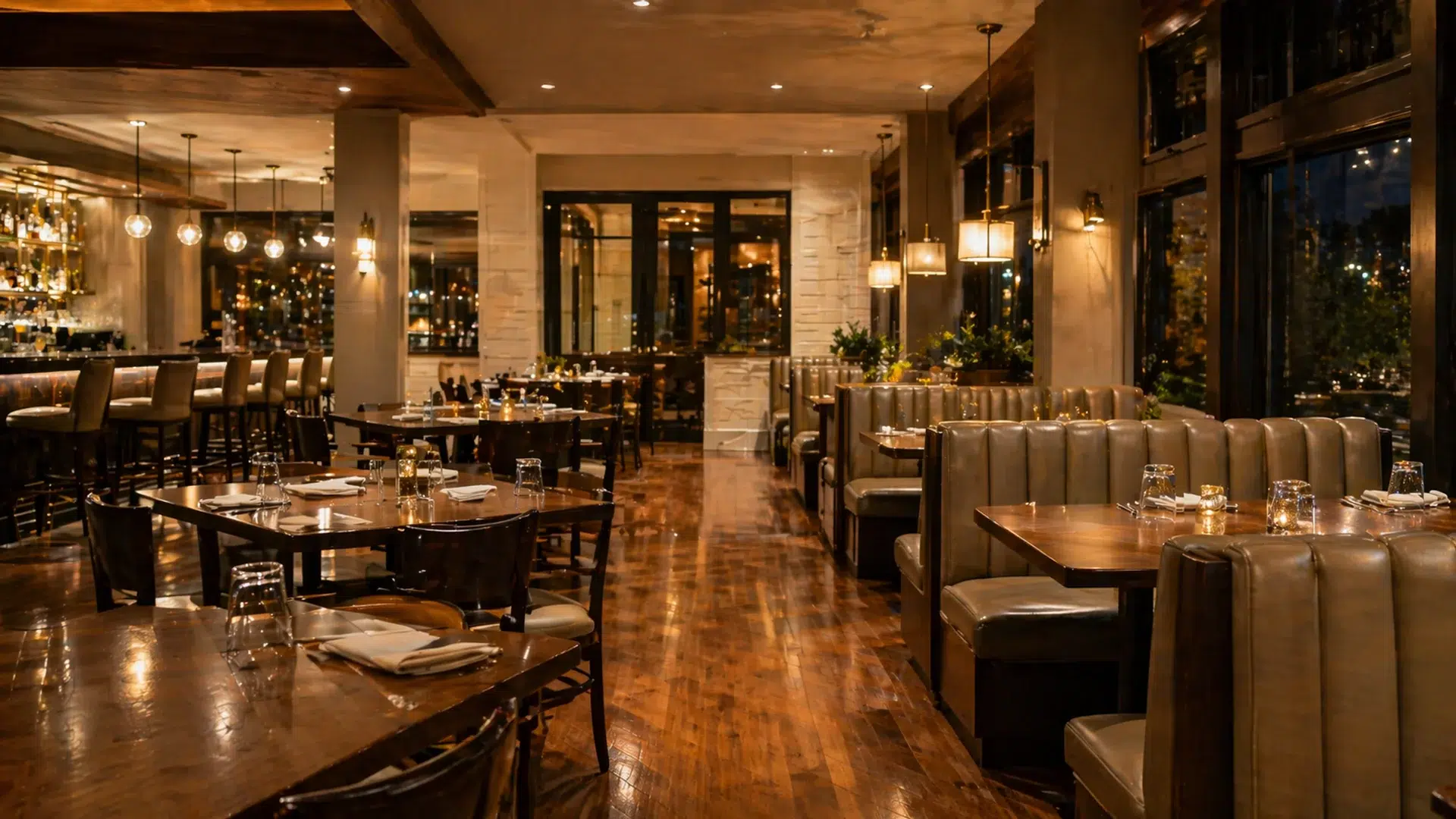
A Suffolk County restaurant kitchen has four distinct cleaning seasons, and the smartest operators schedule deep cleaning around them. Spring brings allergens and Health Department inspections. Summer brings the lunch and patio rush. Fall brings leaves, pumpkin season, and indoor heat. Winter brings salt, slush, and the holiday push. Cleaning the same way year-round means you are always behind one of the seasons. Here is the seasonal deep-cleaning playbook we use with Long Island restaurant clients.
Why seasonal scheduling matters for restaurants
The Suffolk County Department of Health does not announce inspection schedules, but inspection patterns are predictable. Spring (March-May) is the heaviest inspection season because indoor environments warm up after winter, attracting pests and triggering complaints. The lead-up to summer is also when many DOH offices are catching up on cases that built up over winter.
Combine that with the operational realities (slip risk in winter, pollen in spring, condensation in summer, holiday overload in late fall), and a one-size-fits-all “monthly deep clean” misses the moments where cleaning has the highest impact.
Spring: pre-summer deep clean (March through May)
The most important cleaning of the year. The goal: pass any DOH inspection cold, and reset the kitchen for the high-volume summer season.
Kitchen and back of house
- Full hood, vent, and exhaust system cleaning by a certified hood cleaner (NFPA 96 compliance — required for insurance and code)
- Pull all appliances away from walls, clean behind, on top, and underneath
- Degrease all cooking surfaces, fryers, and grills
- Deep clean walk-in cooler floor, walls, and ceiling (yes, ceiling)
- Inspect and replace any failing floor mats, especially in the prep zone
- Inspect floor drains, snake if necessary
- Strip and refinish kitchen floor (high-grease finish)
- Check and replace any failing caulk or grout in food-contact zones
Front of house
- Deep clean all windows, glass, and HVAC supply registers (allergen season is starting)
- Strip and refinish front-of-house floor (high-gloss finish)
- Hot water extraction on all upholstery and chairs
- Deep clean all light fixtures and ceiling fans
- Sanitize all menus, condiment bottles, and table items
Restrooms
- Re-grout or re-caulk where mildew has set in over winter
- Pressure-wash floor and tile walls
- Replace exhaust fans or filters if they are loud or weak
Summer: maintenance cycle (June through August)
Summer is volume season. The goal is to keep the deep clean from spring intact while managing the daily wear of high traffic, hot kitchens, and patio service.
- Increase floor burnishing frequency to weekly in front of house, twice weekly in kitchen
- Daily degrease of fryers, grills, and hood filters during business hours
- Twice-weekly deep clean of patio furniture (pollen, dust, food)
- Monthly hot water extraction of high-traffic carpet zones
- Weekly drain treatment with enzymatic cleaner (preventative odor control)
- Bi-weekly walk-in cooler condenser coil cleaning (efficiency drops fast in summer heat)
- Monthly window cleaning interior and exterior (kids and patio season = more smudges)
Fall: post-summer reset (September through November)
Reset after the summer push, prepare for holiday season.
Kitchen
- Full hood and exhaust system cleaning (second of the year — NFPA 96 generally requires twice yearly for high-volume kitchens)
- Refresh kitchen floor wax (scrub-and-recoat)
- Pull and clean behind all stationary equipment again
- Calibrate and clean ice machines
- Replace any worn floor mats before holiday volume
Front of house
- Hot water extraction on all carpet
- Refresh upholstery cleaning
- Refresh floor wax (scrub-and-recoat)
- Deep dust ceiling fans, vents, and decorative ceiling features
- Re-finish and re-stain any worn wood (bar tops, host stand, host benches)
HVAC and seasonal transition
- HVAC seasonal service (transition from cooling to heating)
- Replace all HVAC filters
- Clean and treat any decorative outdoor fall plantings or pumpkins (rotting produce is an inspection trigger)
Winter: holiday push and slip prevention (December through February)
Highest-volume holiday season followed by the slowest months of the year. The goal in December is keeping up. The goal in January and February is using the lull to do anything that requires the kitchen to slow down.
Throughout winter
- Increase entryway maintenance: water-absorbing mats, twice-daily mop-up of slush, salt, and water
- More frequent kitchen floor degreasing (winter wear adds salt and grit on top of grease)
- Daily inspection and treatment of all floor drains
- Heating system maintenance (especially exhaust hood balance — winter HVAC pressure changes affect kitchen ventilation)
January or February (slowest weeks)
- Optional third hood and exhaust cleaning if volume warrants
- Annual deep clean of equipment internals (ovens, dishwashers, ice machines)
- Re-caulk any seams that show winter wear
- Deep clean and reorganize dry storage
- Annual pest control deep treatment
- Refresh any front-of-house wood, paint touch-ups, and lighting
What this looks like on a calendar
For a typical Suffolk County restaurant doing $2-4M in annual revenue:
- March: Full pre-summer deep clean (3-5 day project)
- April: Patio prep, exterior deep clean
- May: Buffer week before peak season
- June through August: Maintenance cycle, weekly burnishing, monthly extractions
- September: Fall reset (3-day project)
- October: HVAC transition, second hood cleaning
- November through December: Holiday volume mode
- January or February: Annual deep equipment clean and reset (during the slowest week)
Common seasonal mistakes
- Skipping the spring deep clean. Summer is a bad time to discover your hood is overdue. DOH inspectors find what you missed.
- Not adjusting cleaning chemistry seasonally. Salt residue in winter and pollen in spring need different cleaners than the products you use in summer.
- Treating December like a normal month. Volume during the holidays accelerates wear; cleaning frequency should increase, not stay the same.
- Skipping the January reset. The slowest week of the year is the only time most kitchens can safely shut down a fryer for a deep clean. Skip it and you carry that issue all year.
Frequently Asked Questions
How often does my hood need to be cleaned?
NFPA 96 specifies hood cleaning frequency based on cooking volume: monthly for high-volume (24-hour or solid-fuel cooking), quarterly for moderate volume, semi-annually for low-volume, and annually for very low volume. Most Long Island full-service restaurants fall in the quarterly to semi-annual range. Insurance carriers often specify minimums.
Should the same vendor handle hood cleaning and floor cleaning?
Hood cleaning is a specialty (NFPA 96 certification, fire-suppression knowledge). Most general commercial cleaners coordinate with a certified hood cleaner rather than doing it themselves. We coordinate hood cleaning, floor care, and all other restaurant cleaning on a single contract.
How do I prep for a DOH inspection?
The honest answer: stay clean year-round so an inspection is a non-event. The seasonal schedule above is built around that. If you have a known inspection coming, focus on the high-impact areas: hood, floor drains, walk-in cooler, sanitizer concentrations, food contact surfaces, restrooms, and pest log.
What is the most overlooked area in restaurant cleaning?
Walk-in cooler ceilings and floor drains. Both accumulate biofilm and odor, and both are easy to miss in routine cleaning. They show up in DOH inspections and customer complaints.
Can you handle restaurant cleaning during business hours?
Some tasks yes (front-of-house refresh during off-peak windows, restroom resets), but the bulk of restaurant deep cleaning happens overnight or during scheduled closures. We work around your operating hours and your prep/service windows.
Need a seasonal cleaning plan for your restaurant?
E & J Cleaning has been keeping Long Island restaurants compliant and clean for two decades. See our restaurant cleaning service or request a free site walk. Call 1-877-443-2635.